
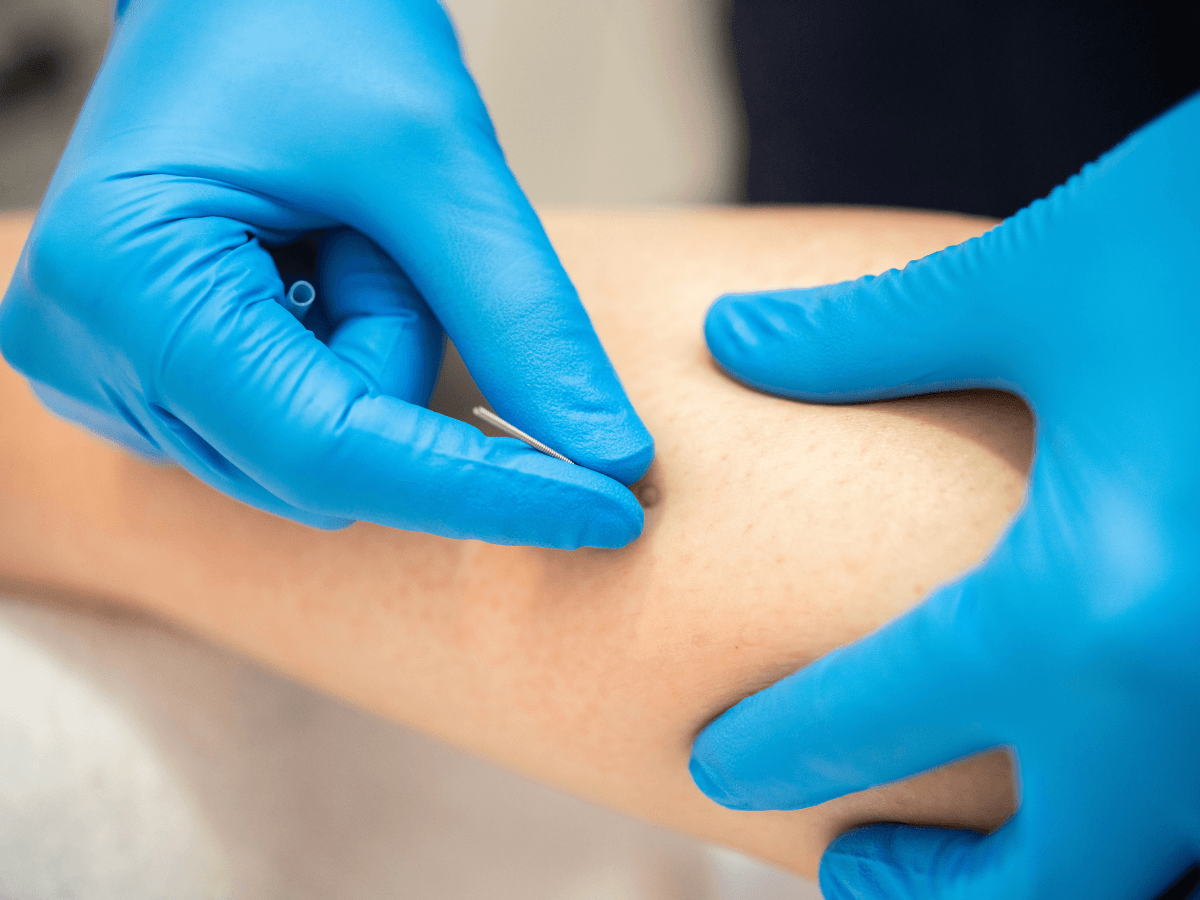
Dry Needling in Evanston, IL
Physical Therapy Treatments
Dry Needling in Evanston, IL
A treatment option for myofascial pain and persistent muscle tightness, based on a thorough evaluation.
Skillz Physical Therapy offers dry needling in Evanston as one treatment option within an assessment-based physical therapy plan. Before recommending it, your physical therapist evaluates your symptoms, movement, medical history, and other factors that may be contributing to the problem.
When dry needling is appropriate, it may be used alongside exercise, movement-based treatment, manual therapy, education, or other physical therapy interventions based on your evaluation.
Interested specifically in dry needling? Let us know when you schedule so your physical therapist can discuss whether it may be appropriate for you.
Care in Evanston for nearby North Shore communities.
-
Assessment First
We evaluate your symptoms and movement before recommending treatment.
-
Treatment Based on Findings
Dry needling may be one part of a broader physical therapy plan when appropriate.
-
Trained Clinicians
Dry needling is performed by a physical therapy professional with appropriate training.
-
Evanston Location
Convenient care in Evanston for patients from nearby North Shore communities.

Understand the treatment
What Is Dry Needling?
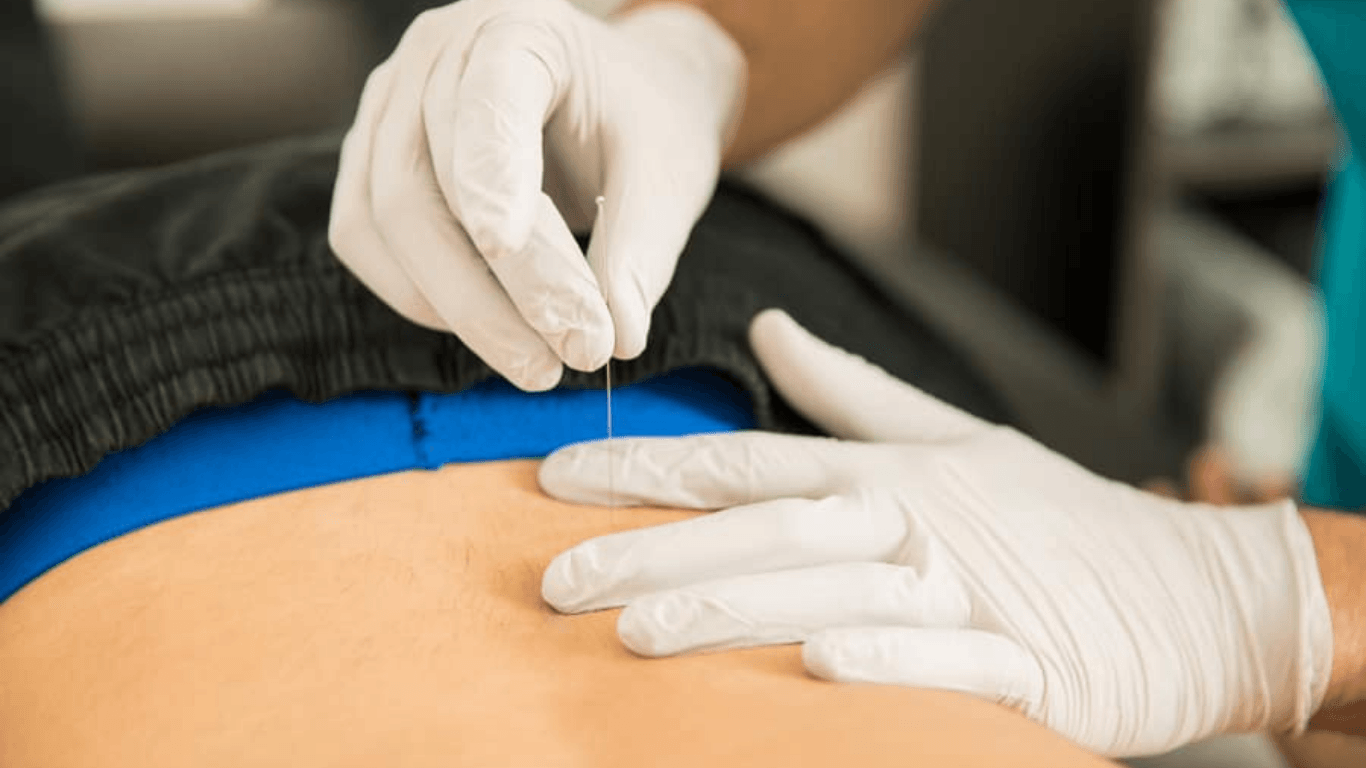
Dry needling is a technique in which a trained healthcare professional inserts a thin, sterile filiform needle into selected tissues. Unlike an injection, the needle does not deliver medication.
In Illinois physical therapy practice, dry needling is an advanced needling technique used within a physical therapy examination and treatment plan.
Dry needling is a treatment tool. It is not a diagnosis and it is not the entire rehabilitation plan. We determine whether it is appropriate based on your evaluation.
When it may have a role
Why Might a Physical Therapist Consider Dry Needling?
People often ask about dry needling when muscle tightness, tenderness, or myofascial pain keeps interfering with movement or activity.
- Persistent muscle tightness
- Neck or shoulder discomfort
- Low-back symptoms
- Trigger points or sensitive muscle areas
- Forearm or elbow symptoms
- Calf tightness
- Hip or gluteal symptoms
Having one of these symptoms does not automatically mean dry needling is the right treatment. Your evaluation helps determine whether it may have a useful role in your plan.
Clarity before treatment
The Skillz Approach
A step-by-step process to determine whether dry needling is appropriate for you.
-
Evaluate
We start by understanding your symptoms, medical history, movement, activities, and goals.
-
Determine Fit
Your physical therapist considers the examination findings, safety factors, your preferences, and whether dry needling may be appropriate.
-
Treat, If Appropriate
If dry needling fits the plan and you choose to proceed after discussing the treatment, it may be incorporated into your visit.
-
Reassess
We reassess how your symptoms, movement, or activity tolerance respond.
-
Build on the Response
Your plan may also include exercise, movement training, education, manual therapy, or other appropriate interventions.
What to Expect at a Dry Needling Visit
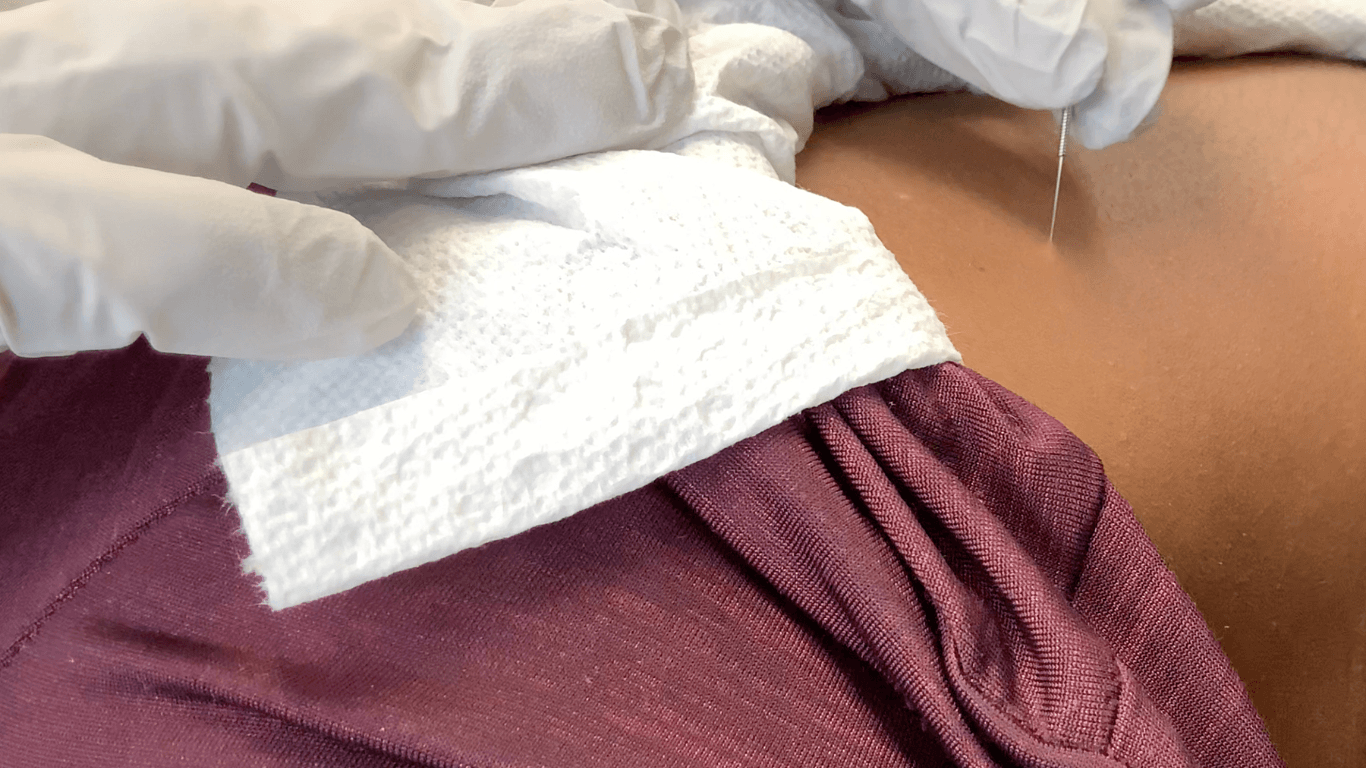
Your visit begins with an assessment rather than immediately starting with dry needling. Your physical therapist will discuss your symptoms, relevant medical history, what activities bother you, and what you want to return to doing.
If dry needling appears appropriate, your therapist will explain the treatment, answer your questions, discuss relevant precautions, and obtain the appropriate consent before proceeding.
After treatment, your therapist may reassess the area and determine what should come next. Depending on your evaluation, that may include therapeutic exercise, mobility work, strengthening, movement training, education, or another physical therapy intervention.
The objective is not simply to needle a tight spot. The goal is to determine whether the intervention contributes meaningfully to your broader rehabilitation plan.
An evidence-informed plan
What Does the Research Say?
Research suggests dry needling may help some people with certain musculoskeletal pain presentations, particularly over shorter time periods, but results vary depending on the condition, treatment approach, and individual patient.
Research does not support presenting dry needling as a guaranteed solution. At Skillz, we consider it one possible treatment option within a broader evidence-informed plan.
Understanding the distinction
Dry Needling vs. Acupuncture
Dry needling and acupuncture can both involve thin needles, but they are not interchangeable approaches. Within physical therapy, dry needling is considered in the context of a physical therapy examination and treatment plan.

The professional behind your care
Experienced, Appropriately Trained Clinicians
Dry needling at Skillz is performed by a physical therapy professional with training appropriate to the technique.
The clinical approach incorporates dry needling only when it is appropriate within an individualized physical therapy plan.
Before your visit
Frequently Asked Questions
Quick answers to common questions about dry needling.
Does dry needling hurt?
Sensations vary. You may feel a brief prick, ache, or muscle twitch. Tell your physical therapist how the treatment feels so they can discuss whether to adjust or stop it.
Will I be sore afterward?
Temporary soreness can occur after dry needling. Your therapist will explain what to expect, discuss aftercare, and tell you when to contact the clinic about symptoms.
Can I ask for dry needling at my first appointment?
Yes. Let us know when you schedule. Your visit starts with an evaluation, and your therapist will discuss whether dry needling may be appropriate. Asking about it does not guarantee it will be performed at that visit.
Do you use dry needling by itself?
At Skillz, dry needling is considered within a broader physical therapy plan. Depending on your findings, the plan may also include exercise, movement training, manual therapy, or education.
How do I know whether dry needling is appropriate for me?
Your physical therapist evaluates your symptoms, movement, medical history, safety factors, and goals. Together, you can discuss whether dry needling has a useful role in your plan.
Is dry needling covered by insurance?
Coverage varies by insurance plan and individual circumstances. Contact Skillz if you would like help understanding what questions to ask about your benefits.
How is dry needling different from acupuncture?
Both may use thin needles. In physical therapy, dry needling is selected as part of a physical therapy examination and treatment plan. The approaches are not interchangeable.
Can I come to physical therapy specifically for dry needling?
Yes, you can schedule an evaluation to discuss dry needling. Your therapist will first assess your symptoms and explain whether it may be appropriate or whether other treatment options should be considered.
Your next step
Interested in Dry Needling?
Start With an Evaluation.
If muscle pain or persistent tightness is interfering with your activities, a Skillz physical therapist can evaluate your symptoms, discuss whether dry needling may be appropriate, and recommend next steps based on the findings.
839 Dodge Ave, Evanston, IL 60202
(847) 859-6240